
We're Anna and Tetiana, a daughter and mother who host vacation homes on Galveston Island. Every summer we get the same message from guests a few days before arrival: a photo of the Gulf and the question "is it actually clean enough to swim?" It's a fair thing to ask, and the honest answer is better than a reassuring one. So here's how the water really gets checked, where to see the results yourself, and what we do before we let our own family run into the waves.
Is it safe to swim in Galveston?
Most of the time, yes. Galveston's beach water is monitored, the results are public, and the great majority of tests come back within the safety standard. When a sample doesn't, the beach gets an advisory and you can see it online. That's the part people don't expect: you don't have to guess from the color, you can just check.
What makes water unsafe here is bacteria, and it tends to follow rain. Storms wash runoff from streets, ditches and drains into the Gulf and the bay, and for a day or two afterward bacteria levels near the shore can climb. A calm, sunny week usually means clean water, even if it looks tan.
How Galveston beach water is tested
Texas Beach Watch is run by the Texas General Land Office. Local partners collect water samples at set spots along Galveston's beaches and test them for Enterococcus, the bacteria the EPA uses as a sign of sewage and storm-water runoff. If a sample comes back above the EPA standard, the site is posted with an advisory until a follow-up test comes back clean. Sampling is most frequent during the busy beach season.
An advisory isn't a beach closure. You can still walk the sand, build castles and fly a kite. It means the program recommends staying out of the water at that spot for now, especially for kids, anyone with a cut, and anyone with a weakened immune system.
How to check before you go
- Open texasbeachwatch.com and find Galveston County on the map.
- Look for the sampling site closest to where you'll swim. Results are posted per site, so a problem at one beach doesn't mean the whole island.
- Check the date of the latest sample. If it's a few days old and there's been a big storm since, be a little more careful.
- When you get to the beach, look at the lifeguard flags. They tell you about surf and marine life, which the bacteria test doesn't cover.
Brown water vs dirty water
This is where most of the worry comes from. Galveston's water is often brown or green-brown because rivers carry silt into this part of the Gulf and the wind keeps it stirred up over a shallow bottom. It's sediment, and it says nothing about bacteria. A brown day can test perfectly clean, and a pretty green day right after a downpour can test high. We explain the color in detail in why is Galveston water brown.
What you see at the beach versus what actually matters for swimming.
| What you notice | What it usually means | What we'd do |
|---|---|---|
| Tan or brown water, no smell | Silt stirred up by wind and waves | Swim as usual |
| Heavy rain in the last day or two | Runoff may have raised bacteria near shore | Check Texas Beach Watch, wait a day if unsure |
| Beach Watch advisory at your spot | Latest sample above the EPA standard | Stay out of the water there, or try another beach |
| Water near a drain outlet or after a storm surge | Most likely spot for runoff | Swim somewhere else |
| Lines of seaweed on the sand | Sargassum, a seasonal nuisance | Walk past it, swim beyond it |
| Red or purple flag | Dangerous surf, or jellyfish and other marine life | Follow the lifeguards |
What we do before our family swims
- Skip the water after a big storm. If it poured overnight, we give it a day or two. It's the single habit that matters most.
- Swim away from drains, outfalls and piers. Runoff comes out at drains, and piers bring bait, fish cleaning and rip currents.
- Cover cuts or stay out. Warm Gulf water can carry Vibrio, a bacteria that occurs naturally and can infect open wounds. People with liver disease or a weak immune system should be especially careful, and any wound that gets red and swollen after a swim needs a doctor.
- Don't swallow the water. Easy to say, harder with a four-year-old. A quick rinse at the outdoor shower afterward helps too.
- Swim near a lifeguard. For most families, rip currents are a bigger danger than bacteria. Stewart Beach and the Seawall beaches are guarded in season.
Our beachfront homes near Stewart Beach
Book direct with us and save up to 15% vs Airbnb - 5-star Superhost homes, daughter & her mom run.

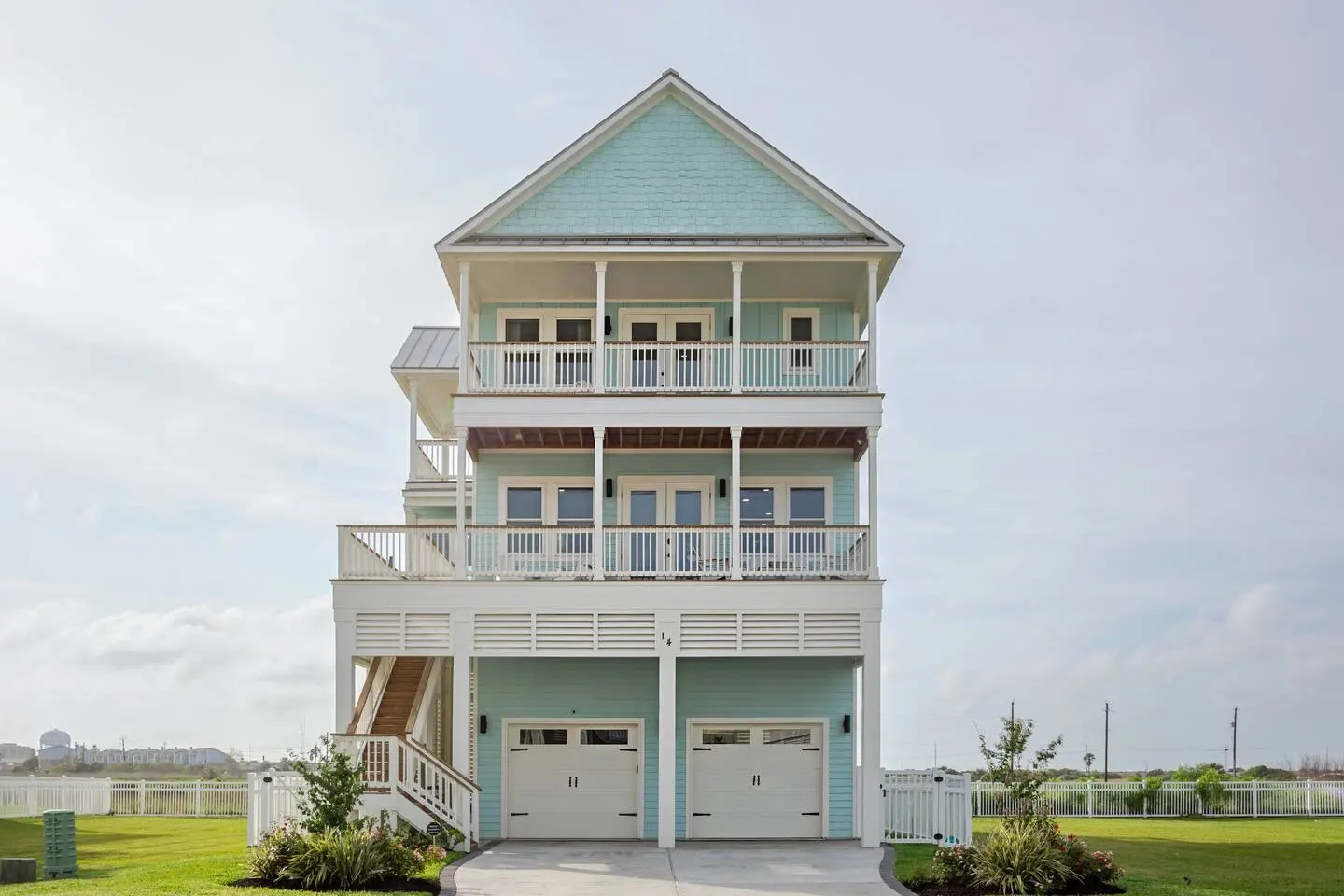


Alma de Mar
Alma de Mar is a 4-bedroom, 3.5-bath beach house in Galveston, Texas that sleeps 12, in the gated Preserve at Grand...




Sunrise on the Beach
Sunrise on the Beach is a 5-bedroom, 3-bath beachfront vacation rental in Galveston, Texas that sleeps up to 17, in the...
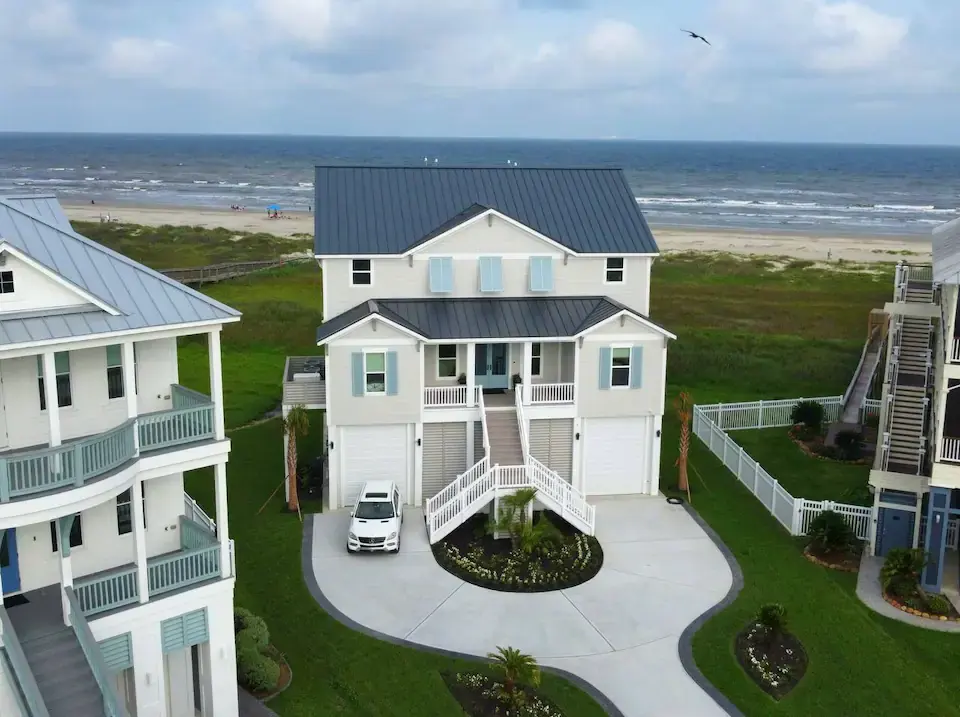
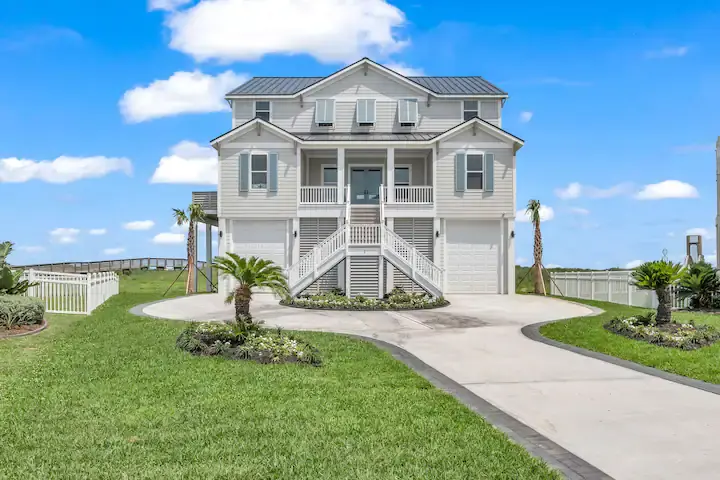
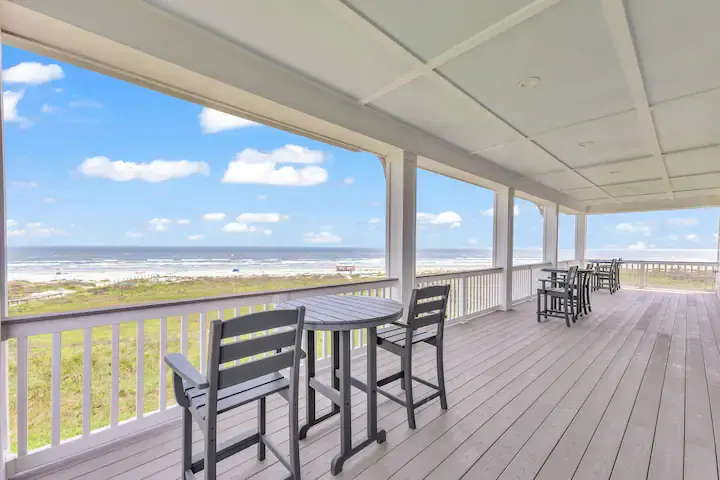
Fishwife
Fishwife is a 5-bedroom, 5-bath beachfront vacation rental in Galveston, Texas that sleeps 14, in the gated Grand Beach...
Why staying on the beach makes this easier
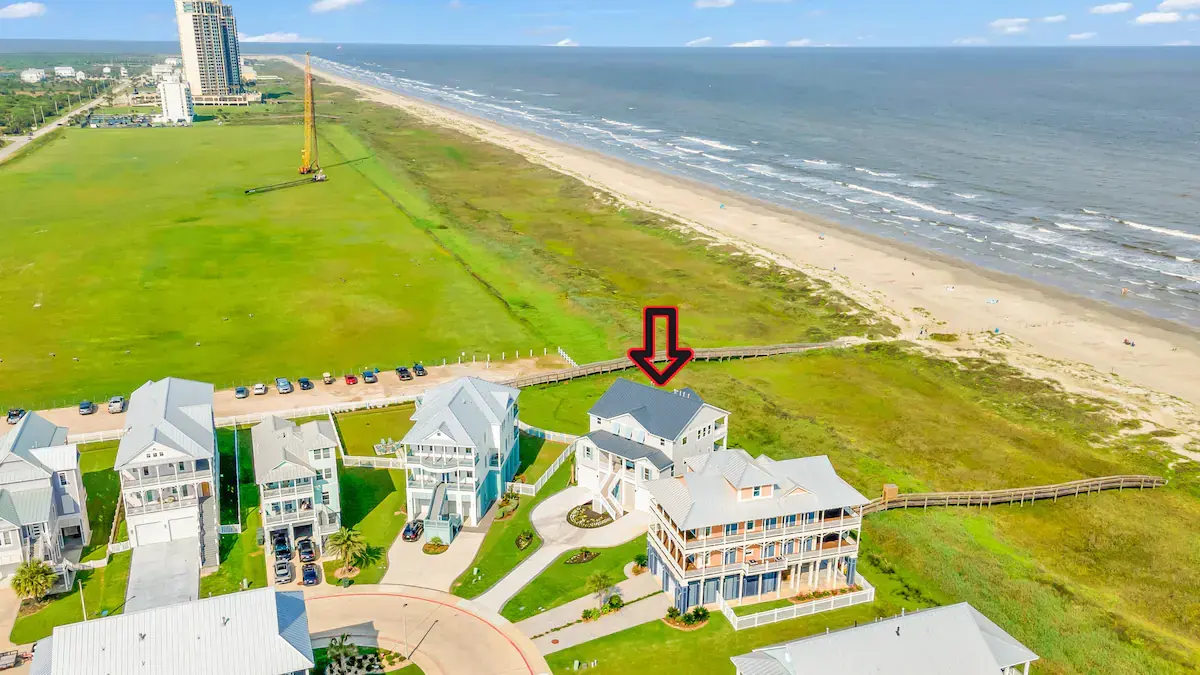
When the beach is a two-minute walk, a no-swim day doesn't ruin anything. You check the morning result over coffee, and if the water isn't great you spend the day on the sand and swim tomorrow. That's how it works at our homes in Grand Beach, on the East End near Stewart Beach. Sunrise on the Beach sits directly on the sand and sleeps up to 17. Fishwife is a beachfront house that sleeps 14 with an elevator to every floor. Alma de Mar is one row back with the neighborhood beach bridge right across the street, and it welcomes dogs.
Stewart Beach is a short drive away when you want lifeguards, restrooms and showers. You can see all of our homes on the sand on the Galveston beachfront rentals page.
When is the water usually at its best?
In our experience, the stretches of calm, dry weather are the best swimming days, and early fall often brings the clearest water of the year. Summer is warm and busy, with more testing and more lifeguards on duty. For the full picture by month, see our guide to the best time to visit Galveston, and for jellyfish and stingrays read sharks, stingrays and jellyfish in Galveston.
If you're staying with us and aren't sure about the water on a given morning, just message us. We live here, we look at the same results, and we'll tell you honestly whether we'd go in. Book directly and there's no booking-site service fee, so you save up to 15% compared to the same home on a booking site. See you on the beach. - Anna and Tetiana
Our Galveston homes for this trip
Hosted by us, Anna & Tetiana. Book direct and save up to 15% vs booking sites.
Alma de Mar
Alma de Mar is a 4-bedroom, 3.5-bath beach house in Galveston, Texas that sleeps 12, in...
4 BR Sleeps 12Sunrise on the Beach
Sunrise on the Beach is a 5-bedroom, 3-bath beachfront vacation rental in Galveston,...
5 BR Sleeps 17Fishwife
Fishwife is a 5-bedroom, 5-bath beachfront vacation rental in Galveston, Texas that...
5 BR Sleeps 14
Frequently asked questions
Is it safe to swim in Galveston?+
On most days, yes. Texas Beach Watch tests Galveston's beaches for bacteria and posts an advisory when a site tests above the EPA standard. Skip the water right after heavy rain, at any beach under an advisory, and when lifeguards fly a red flag.
Where can I check Galveston beach water quality?+
On texasbeachwatch.com, run by the Texas General Land Office. Find Galveston County on the map and check the sampling site closest to where you plan to swim, along with the date of the latest sample.
Is Galveston's brown water dirty?+
No. The brown color comes from silt carried by rivers and stirred up by wind over a shallow sandy bottom. Color and bacteria are separate things, and a brown day can test perfectly clean.
What does a Texas Beach Watch advisory mean?+
It means the latest sample at that site had bacteria above the EPA standard, so the program recommends staying out of the water there until a follow-up test is clean. The beach itself stays open for walking and playing on the sand.
How long should I wait to swim after rain in Galveston?+
We give it a day or two after a heavy storm, since runoff can raise bacteria near shore. Check the latest Texas Beach Watch result for your beach before going back in.
Should I swim in the Gulf with a cut?+
We'd cover it well or stay out. Warm Gulf water can carry Vibrio bacteria, which can infect open wounds. People with liver disease or a weakened immune system should be especially careful, and a wound that turns red or swollen after swimming needs a doctor.
Make Galveston home for a few days
Book one of our 5-star Superhost homes direct and save up to 15% vs Airbnb.
Browse our homes